NeoSkin by Aerolase Explained
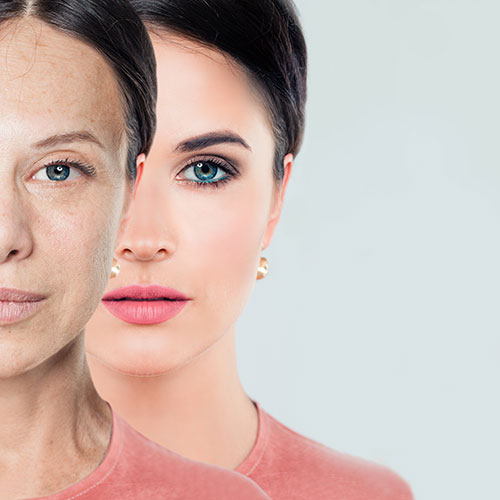
NeoSkin by Aerolase® is a treatment option that allows for comprehensive rejuvenation of skin tone and texture, facial veins, redness, Acne (NeoClear) and hyperpigmentation. The Aerolase Neo is a medical laser system that utilises a 650-microsecond laser pulse technology (Nd:YAG), designed to deliver controlled energy to target tissues effectively. The laser is known for its versatility and ability to treat a wide range of skin conditions and concerns, including:
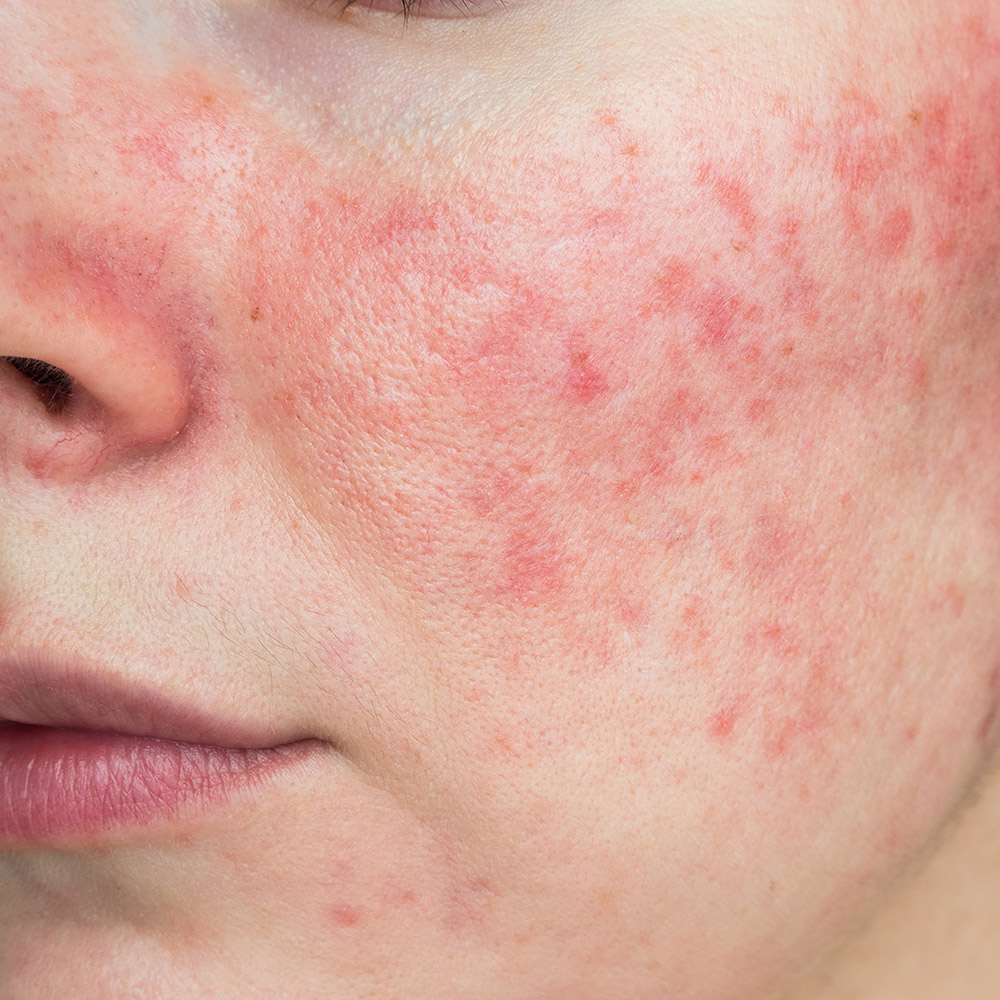
ROSACEA
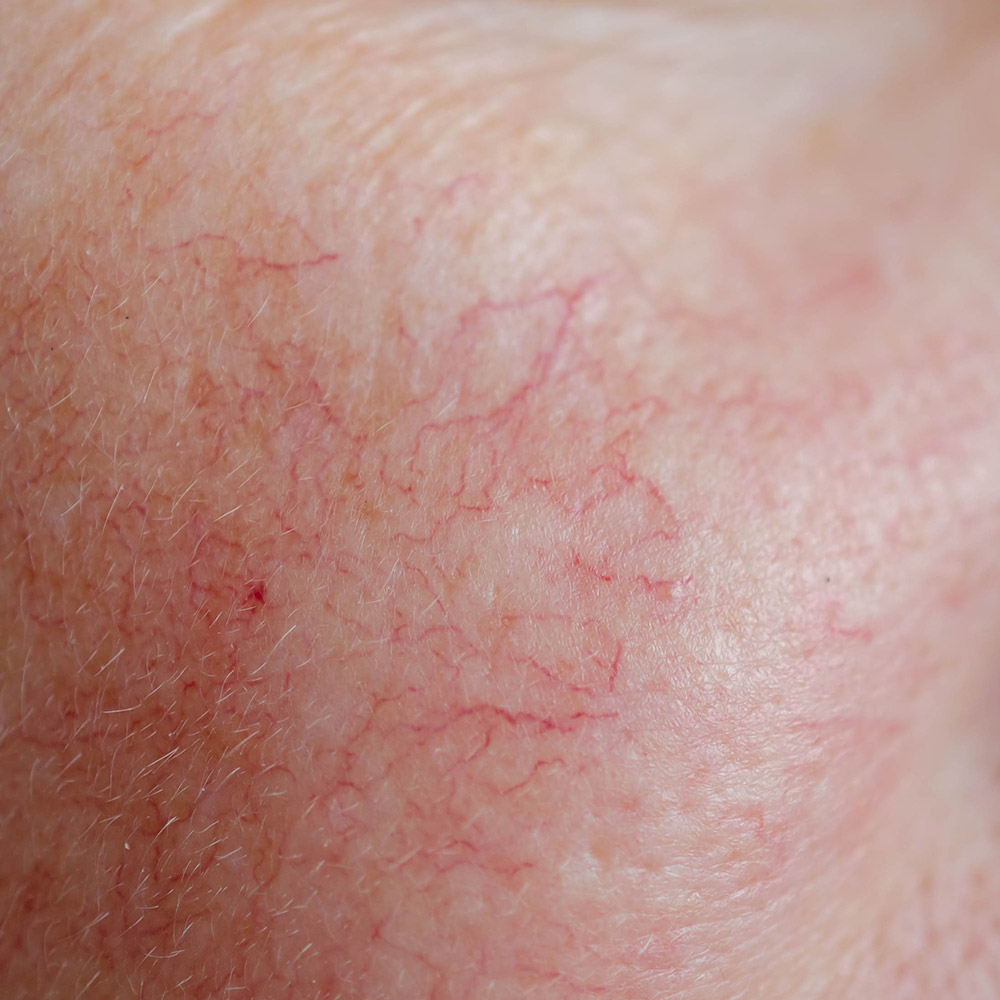
Rosacea is a chronic skin condition that is characterised by redness, flushing, visible blood vessels, and sometimes acne-like bumps on the face. The laser energy emitted by the Aerolase Neo can effectively target and reduce the redness and visible blood vessels associated with rosacea. The laser treatment works by specifically targeting the blood vessels and reducing their size, resulting in a decrease in redness and flushing.
Recurrence is common and can be caused by a number of medical or lifestyle factors. It is important to understand that rosacea is a chronic condition that can only be controlled rather than cured. Heat and friction can exacerbate the condition, certain foods, allergies and lifestyle choices may also be a trigger. Typically 2–3 treatments are required.
MELASMA
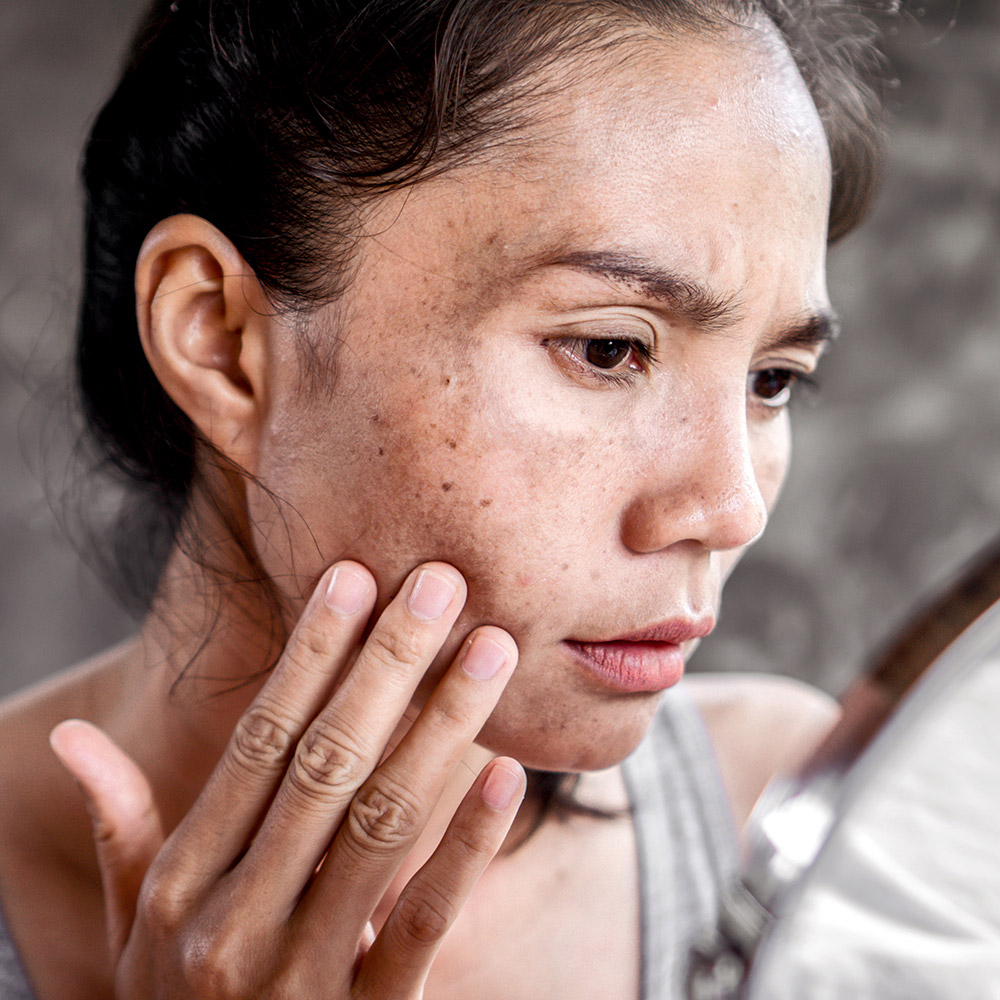
Melasma is a common skin condition characterised by patches of hyperpigmentation on the face, particularly on the cheeks, forehead, upper lip, and chin. It is often triggered by hormonal changes, sun exposure, and certain medications.
The Aerolase Neo’s unique laser technology allows for selective targeting of pigmented lesions while minimising damage to the surrounding skin. The laser emits high-energy pulses of light that selectively target the excess melanin in the skin without causing damage to the surrounding tissues.
After treatment, the lesion should continue to darken and eventually shed off in 3–4 weeks. Typically 2–3 treatments are required.
HYPERPIGMENTATION AND SUN DAMAGE
Hyperpigmentation and sun damage refers to the darkening of patches of skin compared to the surrounding area. It occurs when there is an excess production of melanin. Hyperpigmentation can be caused by various factors, including sun exposure, hormonal changes, skin injuries, inflammation, and certain medical conditions.
The laser technology used in the Aerolase Neo is designed to specifically target melanin. By emitting laser energy at specific wavelengths, the device can selectively heat and destroy excess melanin in the skin, reducing the appearance of pigmented lesions such as age spots, sunspots, freckles, and melasma.
After treatment, the lesion should continue to darken and eventually shed off in 3–4 weeks. Typically 2–3 treatments are required. Some differences in pigmentation between the treated spot and surrounding tissue may persist after the lesion is fully or mostly removed.

SPIDER VEINS
Spider veins on the face are small, dilated blood vessels that appear close to the surface of the skin. They typically appear as red, blue, or purple lines or web-like patterns, resembling spider webs or tree branches. While they are usually harmless, some people may find them cosmetically bothersome.
The Neo’s laser energy is highly attracted to haemoglobin. The laser energy effectively coagulates the unwanted vessels, which will then be broken down and absorbed by the body.
The number of treatments for each vessel may depend on the colour, size and depth of the vessel as well as the amount of physical activity the patient undertakes post-treatment. Crusting, scabbing and temporary spot hypopigmentation will sometimes occur at the treatment site.
ACNE
Acne is a common skin condition that occurs when hair follicles become clogged with oil and dead skin cells. The Neo’s laser energy heats the vessels feeding the sebaceous gland to inhibit excess sebum production and prevent future breakouts. It also suppresses inflammation of active acne and superheats p. acnes bacteria to effectively destroy it in the skin.
As an added effect, the laser energy is absorbed by water in the skin’s tissue to promote collagen production, which helps improve acne scars and the skin’s overall appearance.
Four to six treatments in one to two week intervals are typically required for substantial improvement. There is no cure for acne, only maintenance, so the patient should be aware that they may need more treatments in the future.