DNA Keloid Scar Detection
Mr Olivier Amar - Leading Plastic Surgeon in Chelsea, London
Mr Olivier Amar is particularly passionate about preventing the most disfiguring scars. Keloid is a name given to a scar that overgrows and can become more extensive than the original wound. Keloid scars can occur whenever there is an injury to the skin, even after minor spots or cuts. They can grow for months or years. They are the result of an overgrowth of collagen.
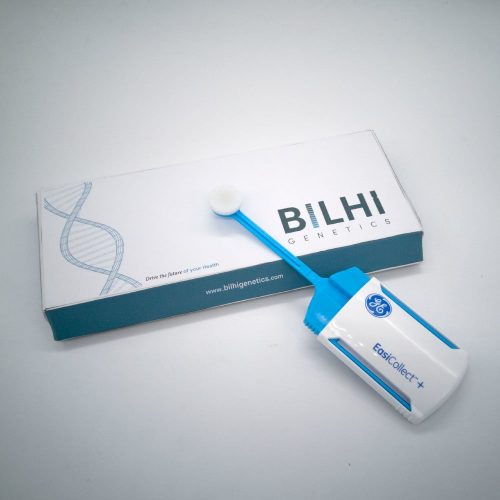
Patients who have previously suffered a keloid or hypertrophic (raised and thick) scar or who have a family history of this type of scarring are often concerned when after surgery, including cosmetic or reconstructive surgery, that they will be left with obvious scarring. For these patients, Mr Olivier Amar is proud to offer a ground-breaking new DNA Bilhi Skin Keloid test that looks for the DNA variation that is now known to cause keloid scarring.
Time is the best healer as eventually normal scars and hypertrophic scars will mature and become pale.

What are the different types of scars?
Keloids
Excessive collagen production, which continues even after wound healing, leads to tissue overgrowth above skin level. Keloid scars are initially purple or red and gradually fade over time. They are itchy and painful and may restrict movement when near a joint.
Contracture scars
Contracture scars are generally formed due to an injury that causes significant tissue loss, such as burns or injury to the joints. The skin and underlying tissue pull together for healing, often restricting movement.
Hypertrophic scars
Hypertrophic scars appear on the wound site in raised, thick, discoloured clusters. Generally, they are uncomfortable and red, often widening with time.
Atrophic scars
Atrophic scars develop below the skin surface, producing a sunken appearance. They become more prominent with time due to ageing.
Acne scars
Scars are formed when a breakout penetrates the skin deeply and damages the tissues beneath it.
Stretch marks
Striae, or stretch marks are formed due to breaks in the connective tissue, caused by rapid shrinking or growing of the skin. It is common with rapid weight loss, adolescence, pregnancy, and bodybuilding.
The DNA Bilhi Skin Keloid test can accurately indicate an increased risk which can then be proactively managed. For example, any surgery can be performed with scars placed in areas of the body that are less likely to scar and stitching will be meticulously performed to avoid any pulling on the wound. The aim of genetic testing is to establish your genetic predisposition to developing a keloid scar based on a sample of your saliva.
It is carried out using an in-vitro diagnostic medical device (software) which evaluates your genetic data. The sample does not require any special medical treatment and poses no risk to your health. The genetic test will allow the surgeon to adapt his medical strategy in order to take preventative measures so that you do not develop a keloid scar.
Frequently Asked Questions
WHAT IS THE DIFFERENCE BETWEEN ‘GOOD’ AND ‘BAD’ SCARRING?
A ‘good’ scar fades significantly after appearing and blends in with the surrounding skin tone. A ‘poor’ scar, such as a keloid or hypertrophic scar, will stay visible and cause skin irritation for a number of months after formation. Time is the best healer as eventually normal scars and hypertrophic scars will mature and become pale.
WHAT CAN I DO TO ACHIEVE BETTER SCARS?
Scar quality will always vary from individual to individual and guarantees are impossible to give. There are ways to improve scars in the post-operative period for everyone with the use of various creams, oils and substances and thus we always advise our patients accordingly.
WHAT IS THE DIFFERENCE BETWEEN A HYPERTROPHIC SCAR AND A KELOID?
There is a whole range of scars but at the poor end there is the hypertrophic scar which occurs when the wound heals to become red, raised and itchy for a few months but will then resolve to become flat and pale. A keloid is similar but the scar continues to grow encroaching upon normal tissue and may need specific treatment.
WHAT ARE KELOIDS?
When a wound heals, it leaves a scar. A keloid is a special type of scar; one that grows too much and can even become larger than the original wound. It is not uncommon for surgical or injury scars to become a little lumpy (hypertrophic). A keloid differs from these in several ways:
- A keloid can come up after very minor skin damage, such as an acne spot, or even if there has been no obvious damage to the skin at all.
- It can spread outside the original area of skin damage.
- It may last permanently.
WHAT CAUSES KELOIDS TO OCCUR?
This is not fully understood. Most people never get keloids, others get them after the most minor of injuries. Several things affect the risk of getting one.
Dark skinned people get keloids much more easily than those with a paler skin. They are especially common in people with black skin. Keloids can crop up anywhere but do so most easily on certain areas, such as the skin around the upper chest and shoulders – particularly over the breastbone (sternum) – and on the earlobes. Having previously had a keloid increases the risk of getting another if subjected to trauma to their skin.
HOW CAN A SCAR AND KELOID BE TREATED?
Treatment is difficult and not always successful. Possible lines of treatments include the following:
- Injections of a steroid (triamcinolone) into a keloid may help to flatten small early ones.
- Steroid-impregnated tape applied for 12 to 24 hours a day may help to flatten keloids.
- Putting a silicone sheet over them at night for several months helps some keloids to flatten. Silicone in gel form is also available.
- Laser treatment makes scars and keloids less red, but does not make them smaller.
- If a scar or keloid is cut out, it usually comes back. This risk falls if the area is treated after the operation with pressure dressings or local steroid injections.
Meet Olivier Amar – Leading Plastic Surgeon in Chelsea, London
Mr Olivier Amar is a renowned London based consultant plastic, reconstructive and aesthetic surgeon specialising in face, breast and body surgery, advanced non-surgical facial rejuvenation, hair loss treatments and regenerative medicine. With over 15 years of experience, Mr Olivier Amar has earned a reputation among both patients and peers alike for transforming cosmetic surgery into an art form.
“Cosmetic surgery is a demanding profession and patient expectations are high. But I am a doctor first and a surgeon second. My only concern is the patient in front of me, fulfilling their needs and managing their expectations. My work is intense; it means everything to me and is my lifelong passion.”
Mr Amar’s commitment to precision and refinement extends through every aspect of patient care, from initial consultation to post-operative support. All treatments take place at his private practice in Chelsea, London. Working alongside Mr Amar is a highly skilled team of dedicated nurses, experienced anaesthetists from leading NHS and private hospitals, and specialised management staff. This collaborative approach ensures comprehensive, world class care for all patients.