Eyelid Surgery (Blepharoplasty)
Mr Olivier Amar - Leading Plastic Surgeon in Chelsea, London

Blepharoplasty surgery can be performed on either the upper eyelids, lower eyelids or both, depending on your specific needs.
What is Eyelid Surgery (Blepharoplasty)?
Blepharoplasty, commonly known as eyelid surgery or eyelid reduction, is a surgical procedure designed to remove excess skin and fat from the upper or lower eyelids. This treatment effectively addresses hooded eyelids, droopy eyelids and persistent eye bags that can make you appear tired or older than you feel.
During a consultation, Mr Amar will conduct a thorough assessment to determine:
- The extent of fat prolapse (under eye bags)
- Degree of skin laxity or excess
- Presence of volume loss (tear troughs)
- Lower eyelid tone and position
- Overall facial structure and ageing patterns
My approach to eyelid surgery is based on the patient’s facial balance. This means I assess the face as a whole to ensure that harmony is kept with both the brow and mid face areas.
Upper Blepharoplasty Technique
For patients with hooded, droopy upper eyelids, upper eyelid blepharoplasty removes excess skin through strategically placed incisions hidden within the natural eyelid crease. The subtle fold located at the junction between the mobile eyelid and the fixed part of the upper lid. This careful placement ensures that any scars remain virtually invisible after healing.
Lower Blepharoplasty: Transconjunctival Approach
For patients with under eye bags and minimal excess skin, lower eyelid blepharoplasty is performed by transconjunctival approach. This minimally invasive technique removes fat deposits (bag) and puffiness through hidden incisions placed inside the lower eyelid, eliminating visible external scarring.
This approach removes the under eye bag from behind the muscle, preserving the muscle wall integrity. This technique delivers better cosmetic results while significantly reducing the risk of lower eyelid retraction, a common complication of the classical approach (transcutaneous).
Skin Pinch Technique for Excess Skin
When excess skin is present on the lower eyelid without under eye bag protrusion, Mr Amar performs the skin pinch technique. Incisions are placed beneath the eyelashes to remove excess skin while maintaining the natural eyelid contour and leaving no visible scarring.
Transconjunctival Blepharoplasty with Fat Transfer
For patients with under eye bag puffiness and volume loss (tear trough hollowing), Mr Amar combines bag removal by transconjunctival approach and fat transfer to orbital area. This combination approach removes puffiness while restoring youthful volume to the orbital and cheekbone areas, creating smooth, natural looking under eye rejuvenation.
Lower Blepharoplasty: Transcutaneous (Classic) Approach
When addressing moderate excess skin and under eye bags, the transcutaneous (classic) approach will be performed through a sub-eyelash incision. Incisions are placed under the eyelashes, leaving no visible external scarring. The under eye bag can be removed by cutting through the muscle, which is commonly known as the classic approach. However, this carries significant risk of experiencing eyelid retraction.
Cutting the muscle can lead to delayed complications such as the muscle fibres pulling on the lower eyelid creating an unnatural eye rounding. Even with stitches added into the muscles to try to avoid retraction, permanent scar tissue formation and retraction remain possible. To avoid the risk of eyelid retraction, the bag will be removed from behind the muscle by the transconjunctival approach.
Canthopexy-Assisted Lower Blepharoplasty
For patients with significant skin laxity, typically those aged 70 and above, lower blepharoplasty with canthopexy may be necessary. This approach combines transconjunctival fat bag removal, excess skin excision and lateral canthal suspension stitches to support the lower eyelid and prevent ectropion (drooping). Mr Amar only performs this technique for select cases where significant skin laxity is present.
Why consider Eyelid Surgery (Blepharoplasty)?
If you are concerned about heavy upper eyelids, persistent under eye bags, or dark circles that make you look more tired, blepharoplasty might be a good solution. The procedure is suitable for both men and women looking to rejuvenate their eye area for a more refreshed appearance. As we age, the delicate skin surrounding our eyes naturally loses elasticity, resulting in:
- Fine lines and deepening wrinkles
- Development of under eye bags as muscles relax
- Sagging lower eyelids
- Drooping and wrinkling of upper eyelids
- Heavy looking upper eyelids that may even restrict vision
- Persistent dark circles that create a tired appearance
Even subtle changes around the eyes can dramatically refresh the facial appearance, helping you look more alert, rested, and youthful. Surgery around the eyes requires precision, as even the most subtle changes can be detected. Blepharoplasty delivers natural looking results while maintaining your unique facial characteristics.
Can other procedures be performed at the same time?
For comprehensive eye area rejuvenation, some patients opt to combine procedures to address both excess skin and volume loss simultaneously, achieving more harmonious, balanced results. Many patients combine their blepharoplasty with treatments such as:
- Fat transfer to face for volume restoration to the orbital area. This combination approach removes under eye bag puffiness while restoring youthful volume to the orbital and cheekbone areas, creating smooth, natural looking under eye rejuvenation.
- Nano fat transfer to under eye area for skin tone and texture improvement, effectively restoring youthful appearance to ageing skin. This procedure is particularly effective for treating dark circles around the eyes. Nano fat creates a protective layer between thin eyelid skin and underlying capillaries, reducing transparency effects causing dark circles.
- Direct brow lift (Browpexy) to elevate drooping eyebrows by removing a strip of skin directly above the eyebrow. A direct brow lift can subtly rejuvenate your face by opening the eye area, effectively creating a more refreshed appearance.
- Lateral temporal brow lift to address sagging skin around the peri-orbital region. This targeted treatment focuses on rejuvenating the upper face area from the top of the cheekbone to the tail of the eyebrow. By gently repositioning the tail of the eyebrow slightly higher, the lateral temporal brow lift effectively smooths wrinkles and enhances the temple area’s appearance without creating excess tension.
- Polynucleotide injections for enhanced collagen production and improved skin hydration. This comprehensive approach restores skin tone, enhances hydration and visibly reduces wrinkles, resulting in radiant, luminous skin with improved texture and diminished signs of ageing.
Frequently Asked Questions
What is Eyelid Surgery (Blepharoplasty)?
Blepharoplasty, commonly known as eyelid surgery or eyelid reduction, is a surgical procedure designed to remove excess skin and fat from the upper or lower eyelids. This treatment effectively addresses hooded eyelids, droopy eyelids, and persistent eye bags that can make you appear tired or older than you feel.
During blepharoplasty, Mr Olivier Amar removes loose skin and excess fatty tissue around the eye area, simultaneously tightening relaxed muscles to create a firmer, more youthful appearance. The procedure can be performed on either the upper eyelids, lower eyelids, or both, depending on your specific needs.
How long does the surgery take?
Eyelid surgery is a short operation, taking between 60-90 minutes.
Am I suitable for blepharoplasty surgery?
If you are concerned about heavy upper eyelids, persistent under eye bags, or dark circles that make you look more tired, blepharoplasty might be a good solution. The procedure is suitable for both men and women looking to rejuvenate their eye area for a more refreshed appearance.
What are the various techniques for blepharoplasty surgery?
For upper eyelid surgery, incisions are strategically concealed within the natural eyelid fold located at the mid point between the mobile and fixed parts of the eyelid. This careful placement ensures that any resulting scars remain virtually invisible after healing.
When addressing isolated under eye bags without significant excess skin, lower eyelid blepharoplasty can be performed using the transconjunctival approach. This advanced technique involves incisions placed inside the eyelids, leaving no visible external scarring while effectively removing fat deposits that cause puffiness.
How do I prepare for surgery?
From the time you book the procedure ensure you maintain regular, gentle exercise, follow a balanced, nutritious diet, ensure adequate sleep and rest, and manage stress levels effectively. Alcohol consumption should be reduced and smoking stopped or minimised. If a patient feels prepared for surgery, they will arrive for their procedure feeling positive which in turn will reduce any anxiety and encourage stress free recovery.
Prior to blepharoplasty surgery, you will need to arrange an eye test or share results of a recent test, within the last 6 months. This is to detect and eliminate any anomalies which could complicate the procedure or indicate that it is not recommended for you.
When can I return to exercise after surgery?
Depending on the type of daily activities, you should be able to resume daily activities within 2-10 days and return to gentle exercise after approximately 3 weeks.
Is blepharoplasty surgery painful?
Blepharoplasty is a straightforward and minimally invasive procedure. As a result, there is minimal downtime required. Immediately post-surgery you can expect to experience mild pain and discomfort which can be managed by a pain killer prescription, provided on the day of surgery by your anaesthetist, if required. Bruising typically resolves within 7-10 days.
Following blepharoplasty, you may experience temporary dry, gritty sensations in your eyes. This common side effect typically resolves within a few days. To ensure optimal healing and comfort, Mr Olivier Amar will prescribe lubricating eye drops and ointment to keep the eyes moist. While many patients use the ointment for 1-2 weeks, some individuals may benefit from continued use for 4-6 weeks after surgery.
WHEN WILL I SEE THE RESULTS from SURGERY?
The results of eyelid reduction (blepharoplasty) surgery can be best appreciated after 3-6 months
What blepharoplasty scars can I expect?
The placement, appearance, and visibility varies depending on the type of blepharoplasty technique performed. For upper eyelid, scar is placed in the natural eyelid crease, typically hidden when the eyes are open. Lower eyelid transcutaneous (external) scar is placed just below the lower lash line and fades with time, blending into the natural contours of the eyelid. Lower eyelid transconjunctival, no external scar as the incision is placed inside the eyelids.
The scars for upper eyelid and lower eyelid blepharoplasty may remain as pinkish lines for the first few weeks, they can be hidden by makeup from day 7 onwards.
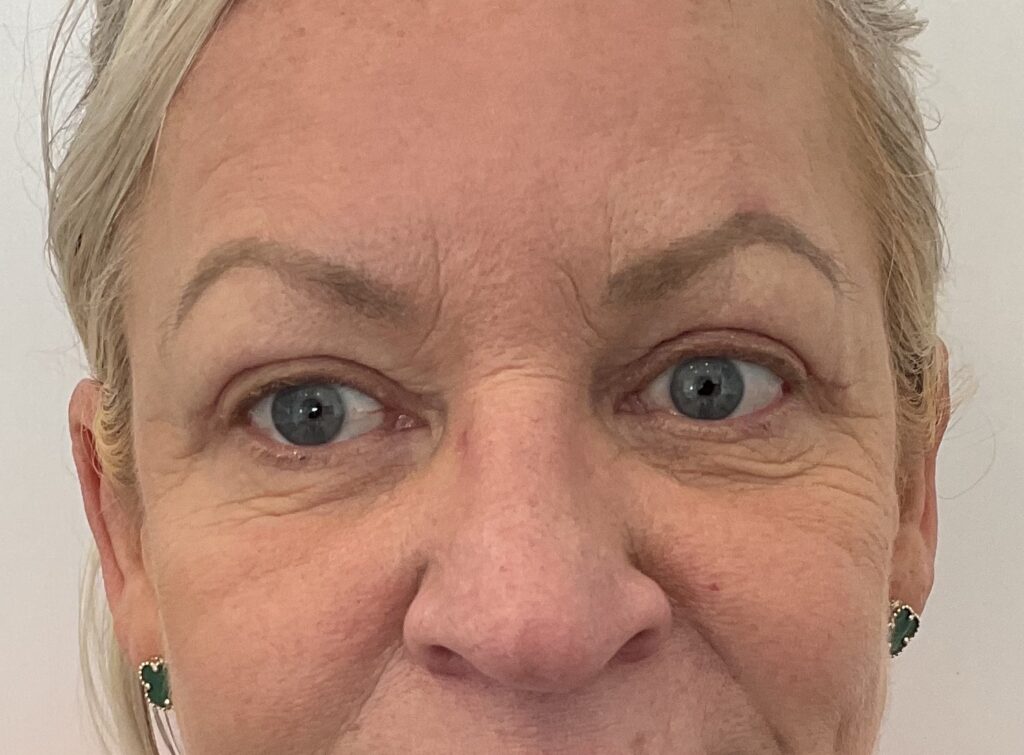
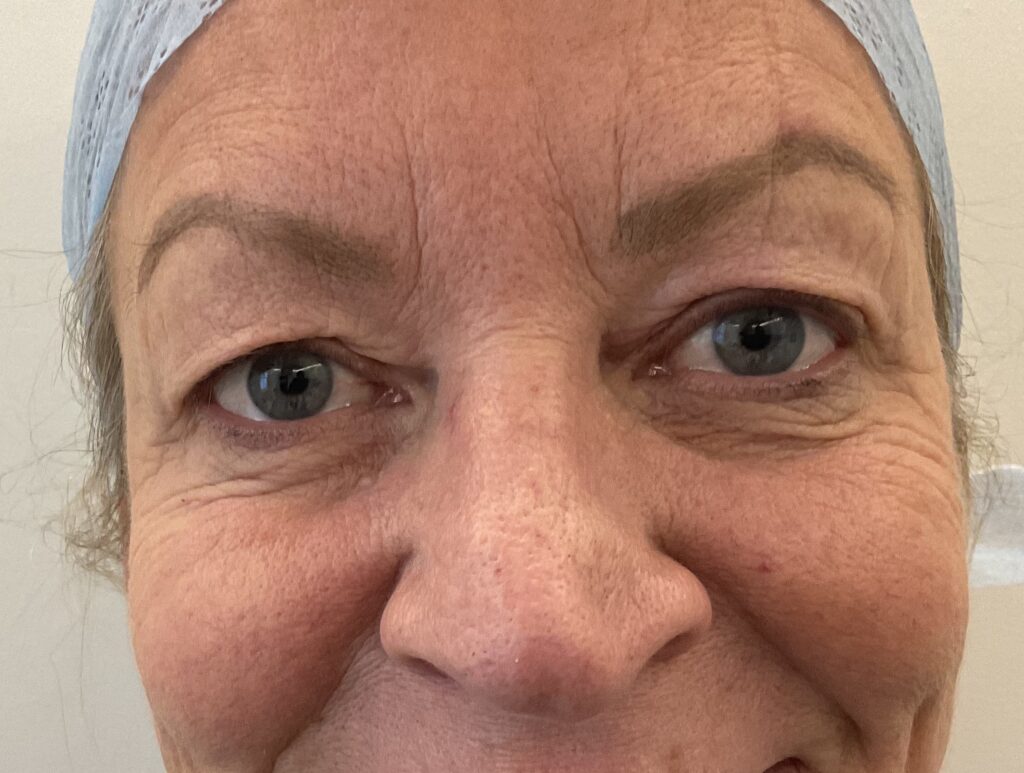
Before & After Eyelid Surgery (Blepharoplasty)
What our Eyelid Surgery patients say
Our patient, aged 54, had upper and lower blepharoplasty combined with fat transfer to face surgery.
“I felt fully informed at all times and it was quite a journey for me as it took me 10 years to decide on my treatment.
Olivier was wonderful at all times, I felt secure knowing what a great surgeon he was, I certainly did my research very thoroughly over the years. 3 weeks on I’m healing very well and smiling broadly every day I wake up …no regrets.”
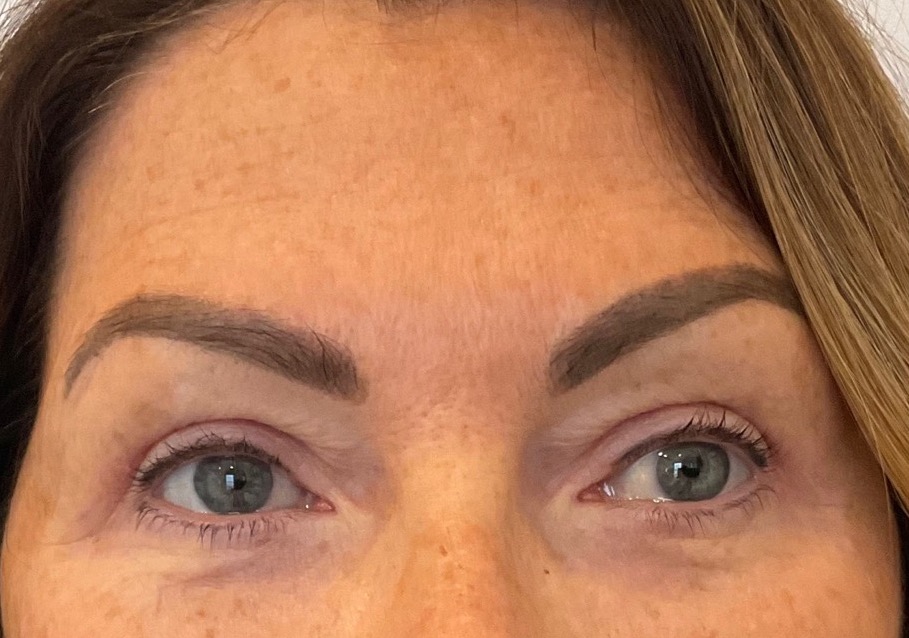
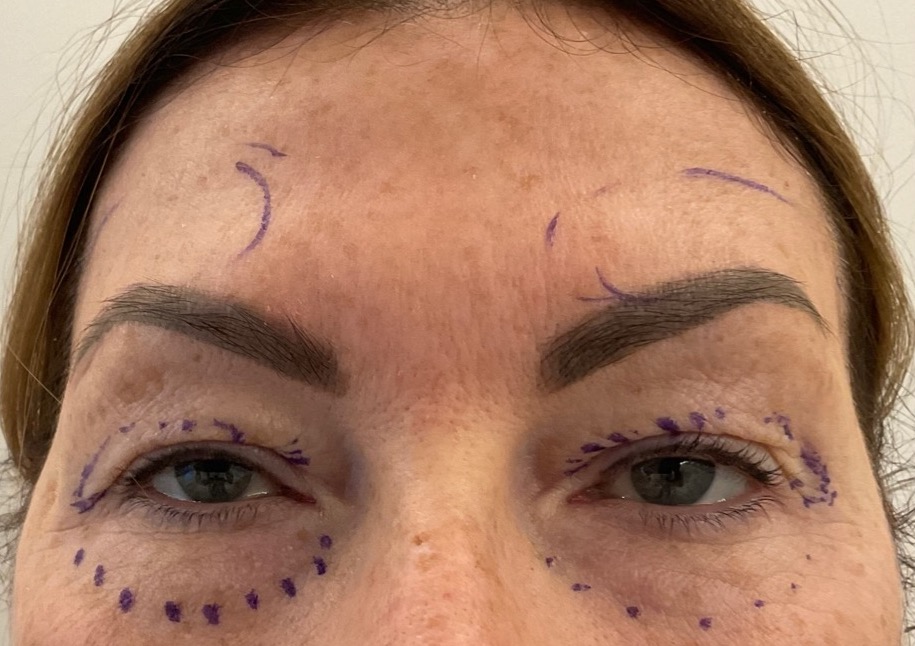
Our patient, aged 55, had upper and lower blepharoplasty surgery.
“After discussing multiple alternatives to improve my tired look, I’ve decided to proceed with an upper and lower blepharoplasty.
Dr. Amar took a lot of time to explain to me the pros and the cons of each interventions. He is a very kind and gentle man. His cautious demeanour created a sense of trust which gave me confidence to go ahead with the procedures.”
Your consultation
Whether meeting in person or remotely, your consultation with Mr Olivier Amar provides a comprehensive discussion of your hoped for goals and treatment options. To get the most out of your consultation, we recommend reviewing information about your area of interest beforehand.
During your consultation, Mr Olivier Amar will listen to your desired outcomes and goals, conduct a thorough assessment, present appropriate treatment options and explain procedures in detail. This will include a step-by-step surgical process, required preparation, recovery timeline, scar placement and management, anaesthesia options, and potential risks and complications.
A consultation ensures you receive comprehensive information about all options, and understand both benefits and limitations of proposed procedures. You will have the opportunity to ask as many questions as you wish before you decide the next steps together, including the option to take no action.
Advanced Facial Rejuvenation
Mr Olivier Amar specialises in facial rejuvenation procedures. As every face is unique and we all age in different ways, he will conduct a comprehensive facial assessment, carefully developing a tailored approach to help patients achieve subtle, natural rejuvenation, without the obvious signs of surgery.
Risks associated with surgery
Every surgical procedure, while performed with the utmost care and expertise, carries inherent risks. Mr Olivier Amar ensures all patients are fully informed about potential complications before proceeding with any treatment.
General surgical risks include post-operative infection, bleeding and haematoma formation, scarring and wound healing complications, and anaesthesia related complications. During your consultation, Mr Olivier Amar will provide detailed information about procedure specific risks, explain preventive measures and safety protocols, answer all questions about potential complications and provide you with all the information needed to make an informed decision.
Preparing for Your Surgery
All surgical procedures are teamwork between the surgeon and the patient. Just as a runner trains for a marathon, preparation is key for optimal recovery.
From the time you book the procedure ensure you maintain regular, gentle exercise, follow a balanced, nutritious diet, ensure adequate sleep and rest, and manage stress levels effectively. Alcohol consumption should be reduced and smoking stopped or minimised. If a patient feels prepared for surgery, they will arrive for their procedure feeling positive which in turn will reduce any anxiety and encourage stress free recovery.
Prior to blepharoplasty surgery, you will need to arrange an eye test or share results of a recent test, within the last 6 months. This is to detect and eliminate any anomalies which could complicate the procedure or indicate that it is not recommended for you. The day before surgery, our dedicated pre-assessment nursing team will reconfirm your admission time, review fasting requirements, address any last minute questions and provide final preparation instructions.
Type of anaesthesia
Blepharoplasty surgery may be performed under local anaesthetic or total intravenous anaesthesia (TIVA), a technique of anaesthesia which uses a combination of agents given exclusively via the intravenous route without the use of gas anaesthesia. This means you will sleep comfortably throughout the procedure and wake immediately afterwards with a significantly reduced likelihood of feeling groggy or nauseous. The anaesthesia will be explained to you by your Anaesthetist during the preoperative consultation.
Having surgery under total intravenous anaesthesia (TIVA) allows you to go home the same day to rest and recuperate. Alternatively, we are happy to arrange the procedure at a hospital with an overnight stay facility, organise a nurse to stay with you overnight, or assist with local accommodation arrangements. Mr Olivier Amar will discuss your anaesthesia options and aftercare support in detail during your consultation.
Recovery Guide
Blepharoplasty is a straightforward and minimally invasive procedure. As a result, there is minimal downtime required. Immediately post-surgery you can expect to experience mild pain and discomfort which can be managed by a pain killer prescription, provided on the day of surgery by your anaesthetist, if required. Bruising typically resolves within 7-10 days.
Following blepharoplasty, you may experience temporary dry, gritty sensations in your eyes. This common side effect typically resolves within a few days. To ensure optimal healing and comfort, Mr Olivier Amar will prescribe lubricating eye drops and ointment to keep the eyes moist. While many patients use the ointment for 1-2 weeks, some individuals may benefit from continued use for 4-6 weeks after surgery.
Depending on the type of daily activities, you should be able to resume daily activities within 2-10 days and return to gentle exercise after approximately 3 weeks.
Aftercare Information
One week after surgery you will attend a nurse appointment, at this point your incision sites will be reviewed, stitches removed and initial healing will be assessed. A follow-up consultation with Mr Olivier Amar will be scheduled for six weeks after your surgery to assess your overall recovery.
It is your responsibility to attend all scheduled appointments. Failing to attend appointments or follow post-operative instructions may impact your results and final outcome. Regular monitoring ensures optimal healing progression and early detection of complications. Mr Olivier Amar will discuss the post-operative schedule in detail during your consultation.
Scar placement and management
The placement, appearance, and visibility varies depending on the type of blepharoplasty technique performed. For upper eyelid, scar is placed in the natural eyelid crease, typically hidden when the eyes are open. Lower eyelid transcutaneous (external), scar is placed just below the lower lash line and fades with time, blending into the natural contours of the eyelid. Lower eyelid transconjunctival, no external scar as the incision is placed inside the eyelids.
The scars for upper eyelid and lower eyelid blepharoplasty may remain as pinkish lines for the first few weeks, they can be hidden by makeup from day 7 onwards. As a leading London based cosmetic surgeon, Mr Olivier Amar specialises in advanced scar management and prevention techniques.
Maintaining your results
The results of eyelid reduction (blepharoplasty) surgery can be best appreciated after 3-6 months. Some patients opt to support their results with Aerolase Neo laser treatment for skin rejuvenation. The laser treatment stimulates natural collagen production, which is essential for improving skin firmness and elasticity, smoothing rough texture, reducing the appearance of fine lines and minimising enlarged pores.
Typically, most patients see noticeable results after four treatments with enhanced clearance and quality of skin occurring after each subsequent treatment. It is also recommended that you commit to wearing sun protection daily and follow an at home skincare regimen.
Meet Olivier Amar – Leading Plastic Surgeon in Chelsea, London
Mr Olivier Amar is a renowned London based consultant plastic, reconstructive and aesthetic surgeon specialising in face, breast and body surgery, advanced non-surgical facial rejuvenation, hair loss treatments and regenerative medicine. With over 15 years of experience, Mr Olivier Amar has earned a reputation among both patients and peers alike for transforming cosmetic surgery into an art form.
“Cosmetic surgery is a demanding profession and patient expectations are high. But I am a doctor first and a surgeon second. My only concern is the patient in front of me, fulfilling their needs and managing their expectations. My work is intense; it means everything to me and is my lifelong passion.”
Mr Amar’s commitment to precision and refinement extends through every aspect of patient care, from initial consultation to post-operative support. All treatments take place at his private practice in Chelsea, London. Working alongside Mr Amar is a highly skilled team of dedicated nurses, experienced anaesthetists from leading NHS and private hospitals, and specialised management staff. This collaborative approach ensures comprehensive, world class care for all patients.
How can I compliment my overall result?

Express PRP treatment
The goal of PRP treatment is to rejuvenate your skin and encourage new collagen.